
All About Winter Roof Maintenance for Homeowners
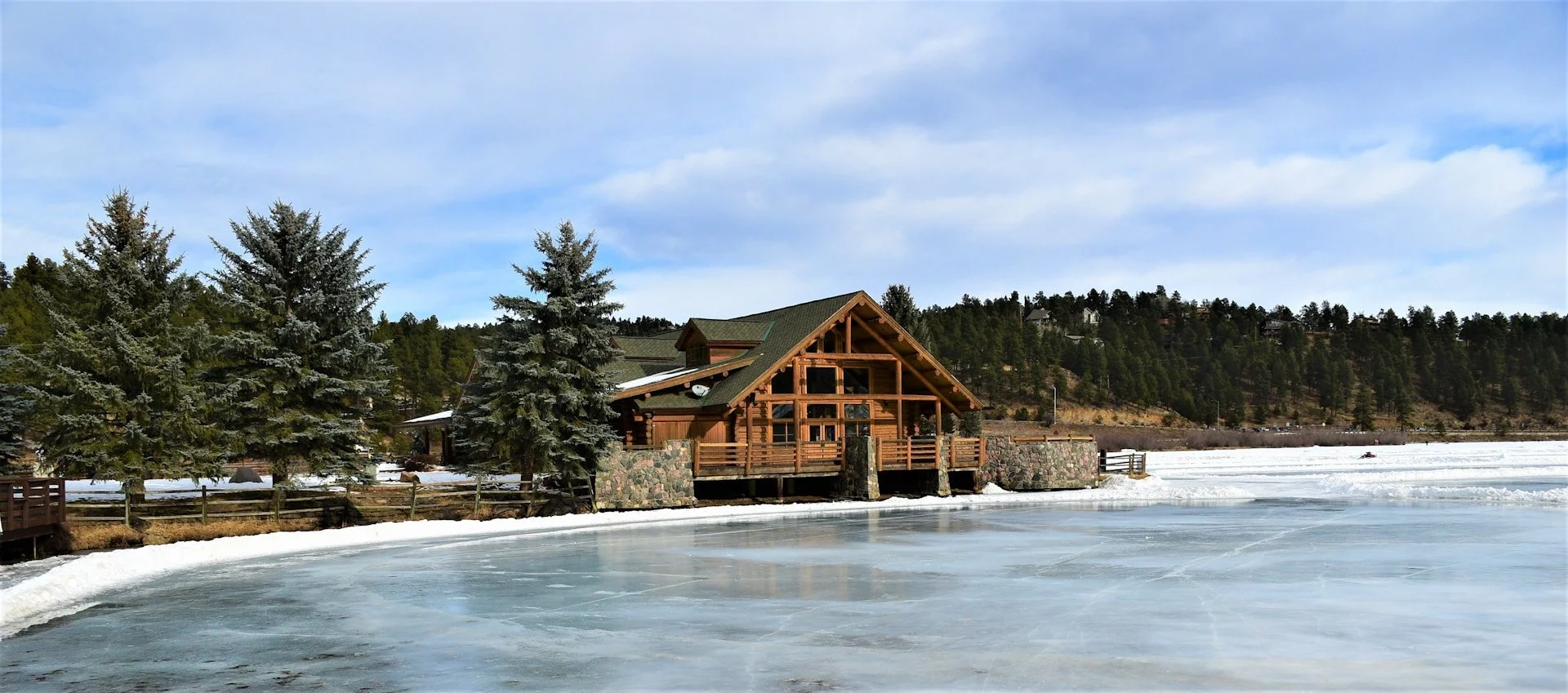
Why the North Side of Your Colorado Home Takes the Biggest Winter Beating
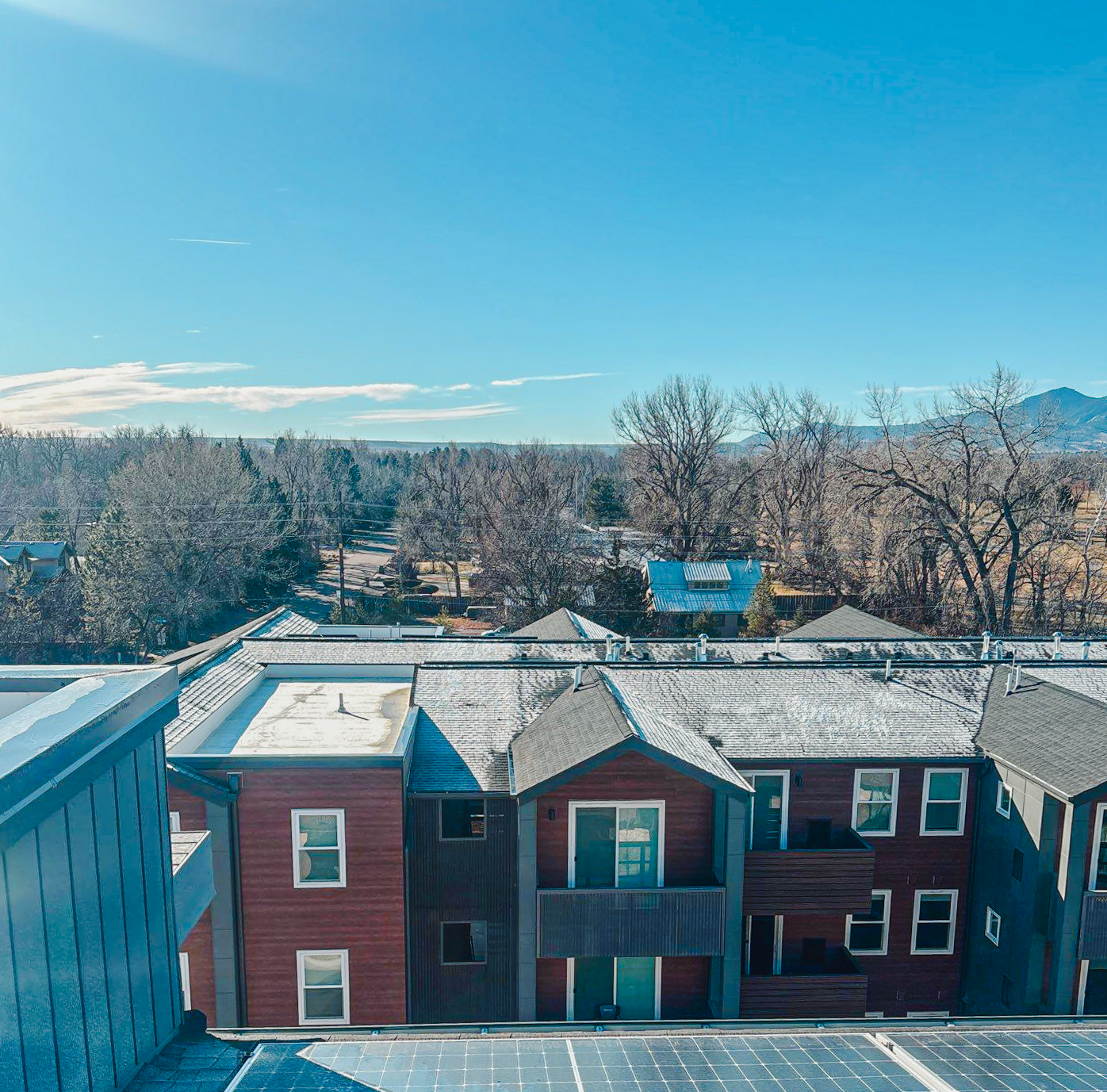
If you’re a homeowner in Colorado, you’ve probably noticed one side of your home always seems colder, icier, and harder to manage in winter. There’s a reason for that, and it’s almost always the north side of your home.
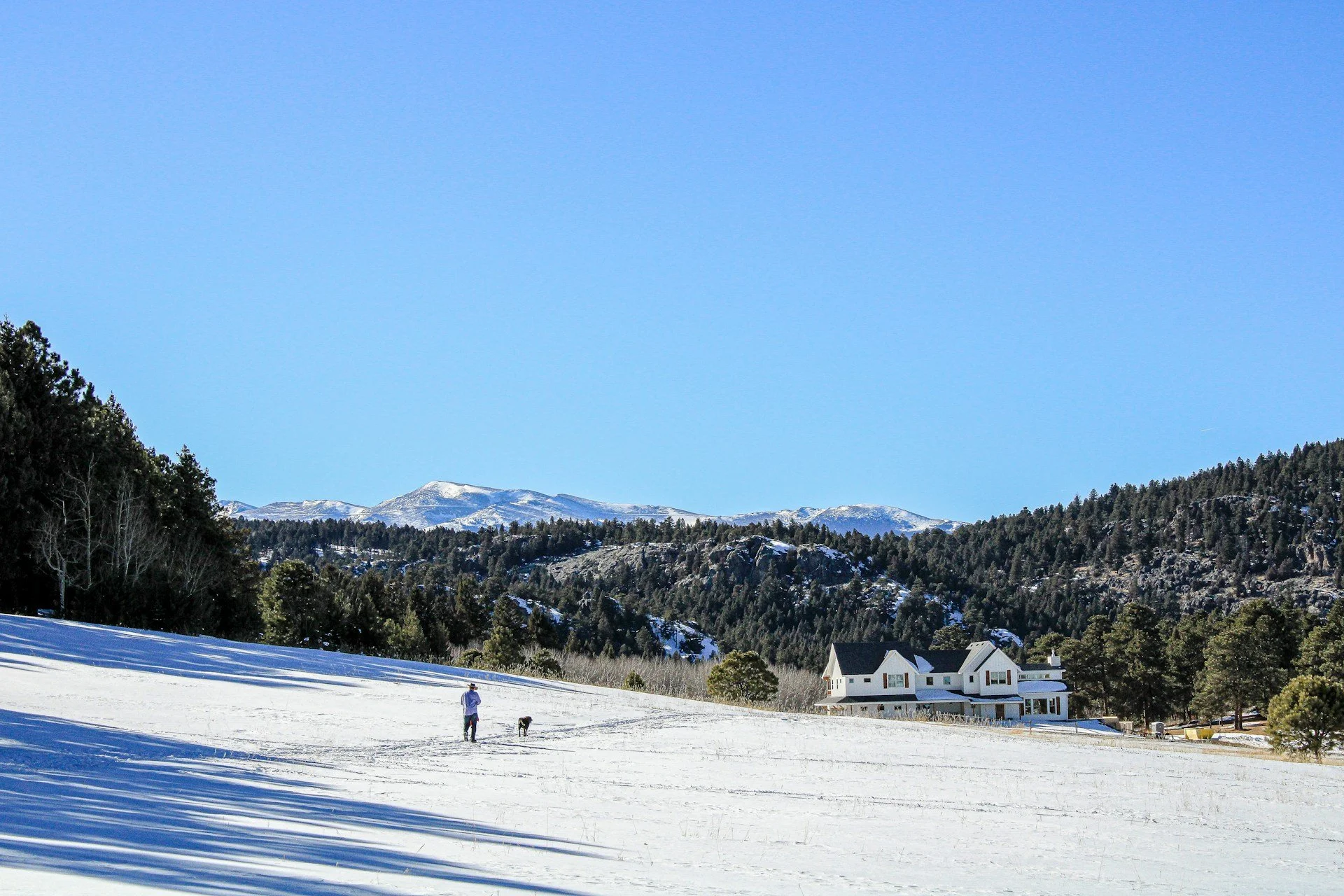
During Colorado’s winter months, the sun stays low in the sky. That means north‑facing areas of your home, such as, your roof eaves, driveway, walkways, and even parts of your yard, receive little to no direct sunlight. Without the sun's warmth, snow and ice simply don’t melt the way they would on the south side of your home.
Let’s break down why the north side is such a problem and what homeowners can do to protect their roofs and homes all winter long.
Why the North Side?
Snow and Ice Stick Around Longer
Snow on the north side can linger days or even weeks longer than on other parts of your property. Over time, that snow often compresses into thick, hard‑packed ice which creates a slippery surface and added stress on your roof.
Increased Maintenance
North‑facing driveways and walkways require more shoveling, scraping, and frequent applications of ice melt. Without sunlight to help out, homeowners must work harder just to keep things safe.
Ice Dams on the Roof
One of the biggest risks on north‑facing rooflines is ice damming. When warm air escapes from the attic, it melts snow on the roof. That water then flows down and refreezes at the colder eaves: forming a dam of ice. Over time, trapped water can back up behind it and slowly seep through the roof system creating a leak.
Winter Roof Maintenance in Colorado: Why It Matters
Colorado winters bring heavy snow, freeze‑thaw cycles, and strong winds; all of which can wreak havoc on your roof. Proactive maintenance helps prevent leaks, structural damage, and costly emergency repairs.
Fall Prep: Before Winter Hits
Inspect the roof and gutter system of your home. Look for:
Missing shingles.
Damaged flashing around chimneys or vents.
Clogged gutters or debris in the gutter system.
These are common causes of roof leaks.
Clean Your Gutter System:
Clear out leaves and debris so melting snow can drain properly instead of backing up and refreezing.
If you need a professional to do this for you due to safety concerns or intricate roof systems, you know who to call!
Trim Nearby Trees:
Overhanging branches can snap under heavy snow and fall onto your roof.
Check Your Attic:
Proper insulation and ventilation reduce heat loss, preventing snow from melting and refreezing at the eaves.
Seal Vulnerable Areas:
A professional inspection can catch small flashing or vent issues before they become major winter leaks.
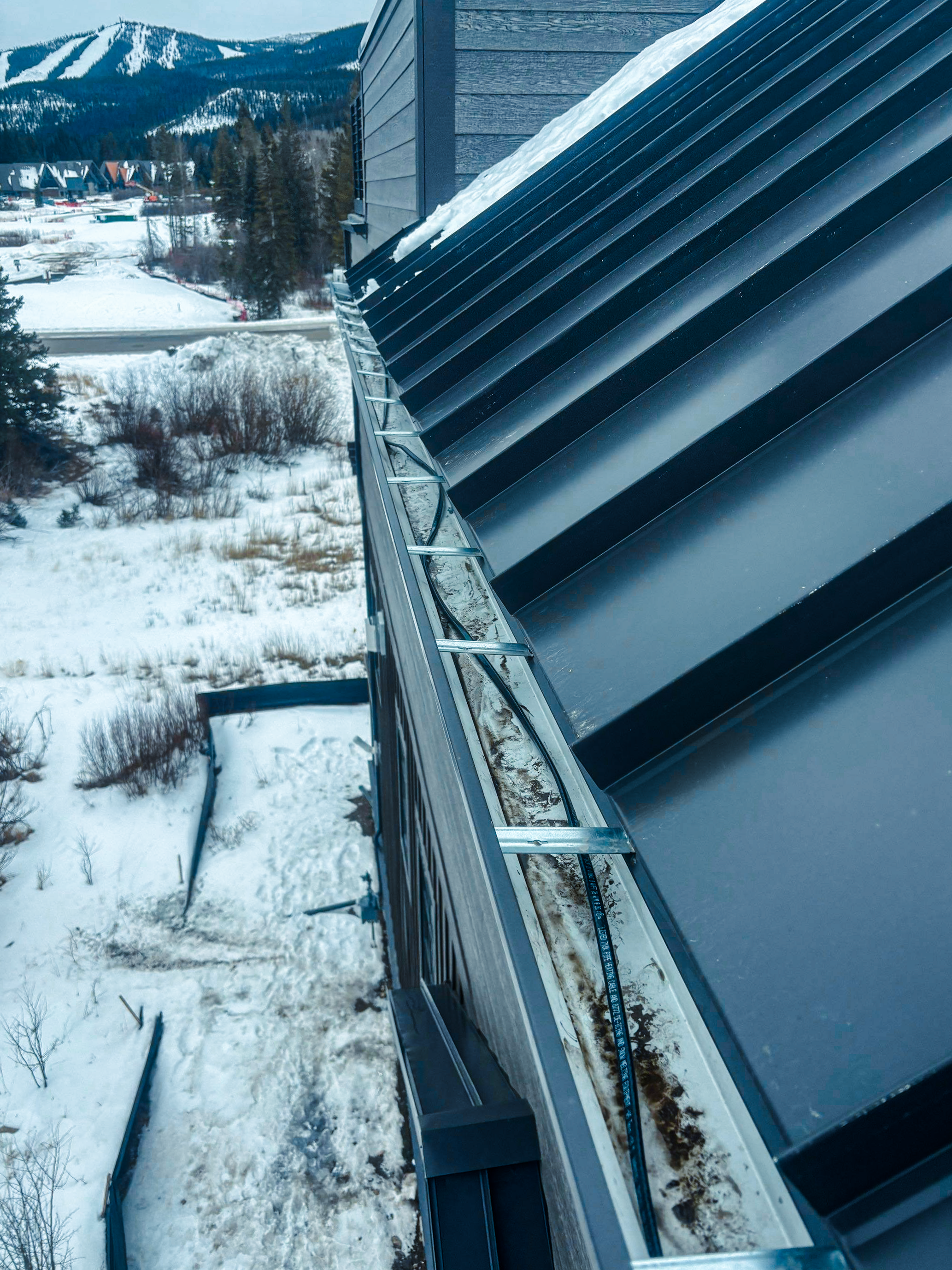
This gutter system has heat tape professionally installed to keep water from creating ice dams in the gutter system and on the eave of the roof.
During Winter: Monitor & Manage
Watch for Warning Signs of a Roof Leak:
Water Stains on Ceilings
Damp Attic Insulation
Sagging Rooflines
Manage Snow Loads:
A roof rake can safely remove heavy snow from lower roof sections and help prevent ice dams.
Pay Attention to Icicles:
They may look harmless, but they’re often a sign of ice damming or a leak in the gutter system. Call a professional for safe removal and inspection of the roof system.
Ice Dams: What They Are
Ever notice snow melting unevenly on your roof? That’s often the start of ice damming.
An ice dam forms when melted snow refreezes at the roof’s edge, creating a barrier that traps water behind it. That standing water can slowly seep into your roofing system and cause leaks. Especially on older roof systems that have seen more wear and tear throughout the years. This doesn’t always mean your roof has failed; it just means water has been given time to find a way in.
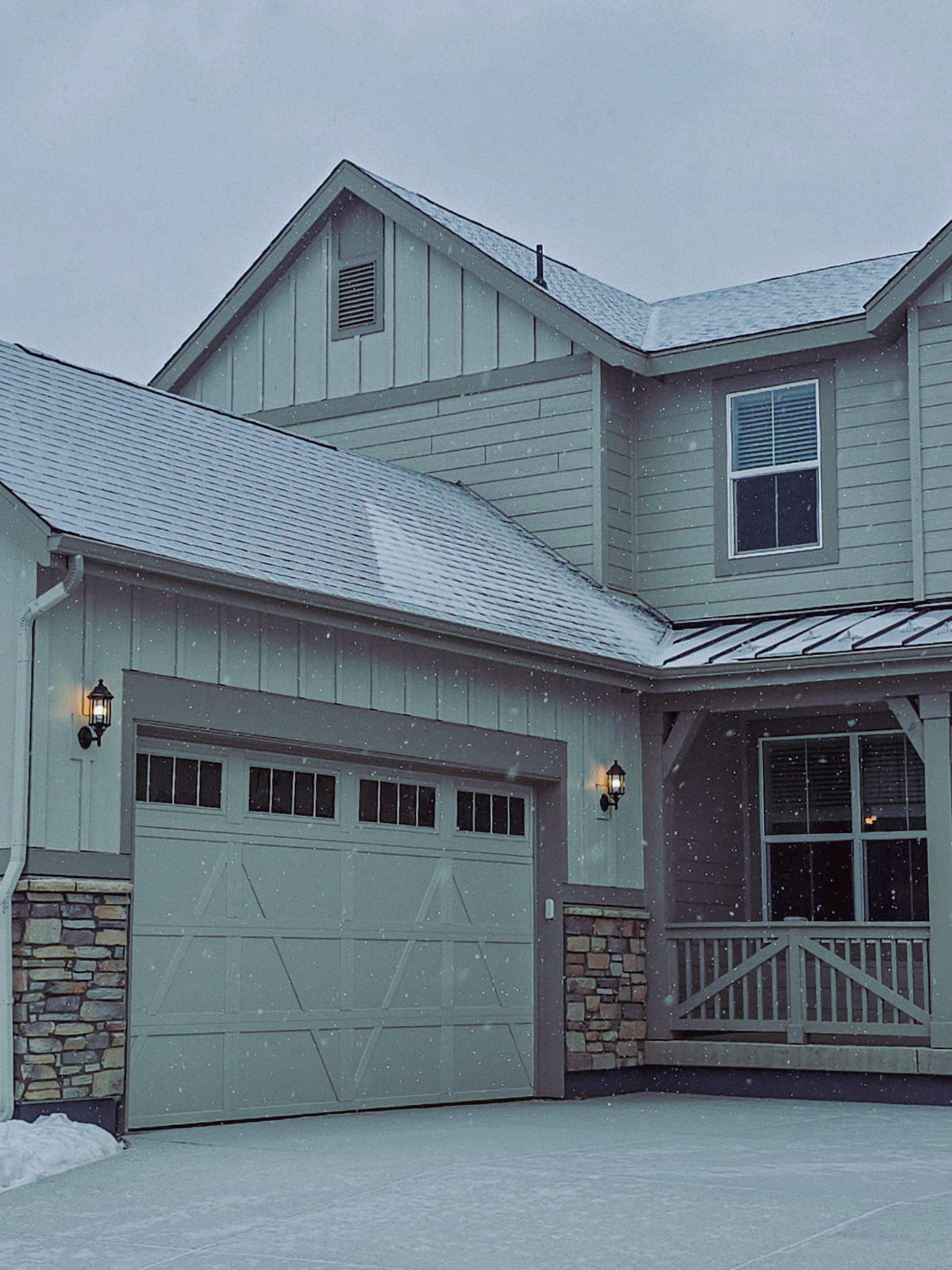
How to Prevent Ice Dams:
Improve attic insulation to control heat loss
Install professionally rated heat tape (do not DIY)
Safely remove snow using a roof rake (never climb onto the roof yourself)
If you need help it’s best to call a professional.
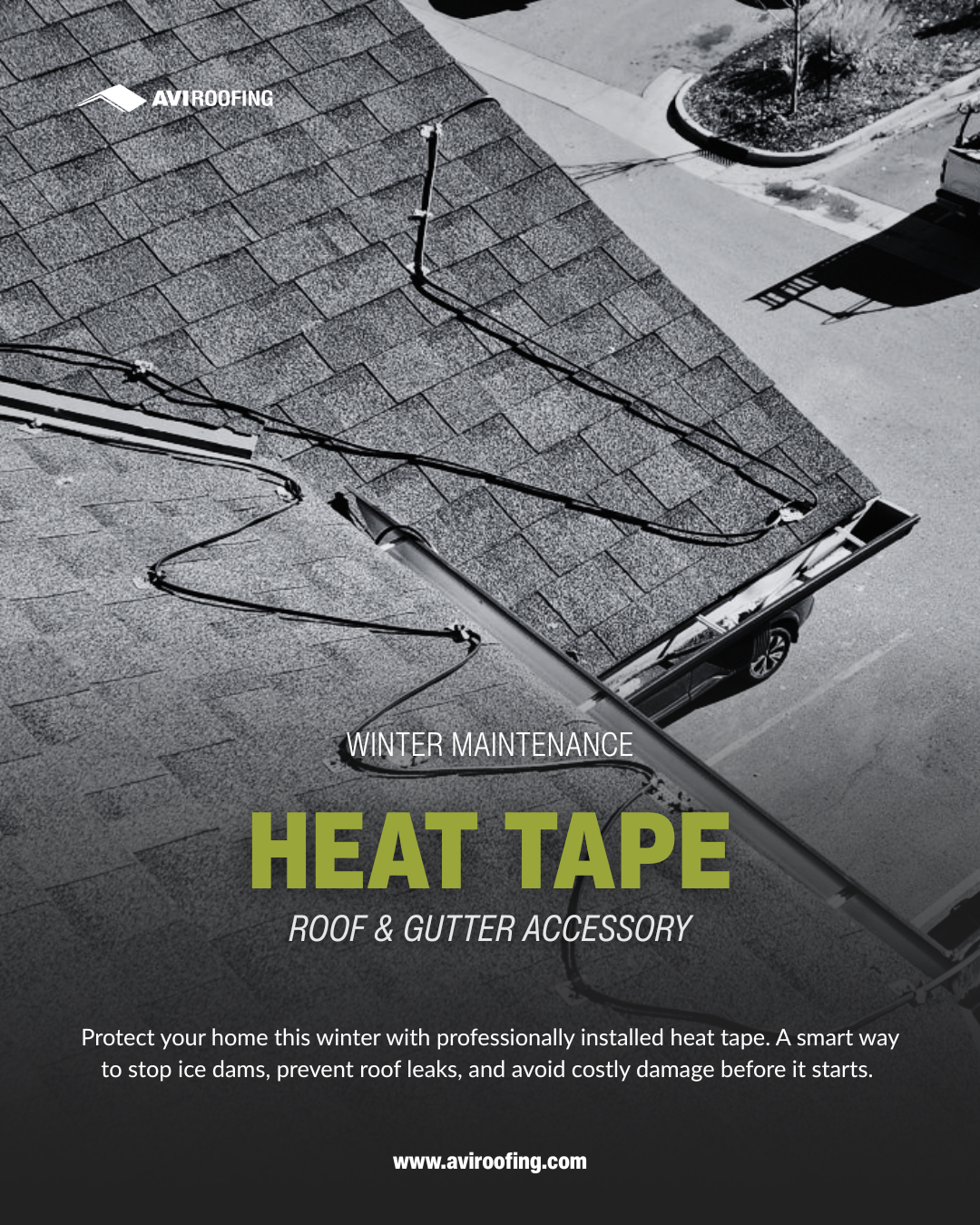
Heat Tape: A Winter-Smart Solution
Colorado homeowners who struggle with ice dams, especially on cold, north‑facing roof slopes, often find that heat tape is a game‑changer.
Heat tape gently warms the roof edges, helping snow and ice melt before they can build up. The result?
Fewer leaks
Less roof damage
No surprise water stains inside your home
That said, heat tape must be installed correctly. The wrong product or improper installation can create fire hazards, which is why this is not a DIY project. Colorado homeowners trust AVI Roofing to install heat tape safely and effectively in the right locations for maximum protection.
Winter Maintenance Matters
Ice dams, slippery hazards, and winter leaks can quickly turn into major headaches if left unchecked. A proactive approach can save thousands in repairs and protect your peace of mind all season long.
Not sure if your roof is winter‑ready?
Call AVI Roofing today for a professional inspection.
📞 Phone: (303) 296‑8551 ext. 2 (Residential)
🌐 Request an Estimate Online: